Warrior in the Cells
For my senior capstone, I created an in-depth multimedia project that combines field reporting, research, and storytelling to dive into the struggles and triumphs of sickle cell warriors.
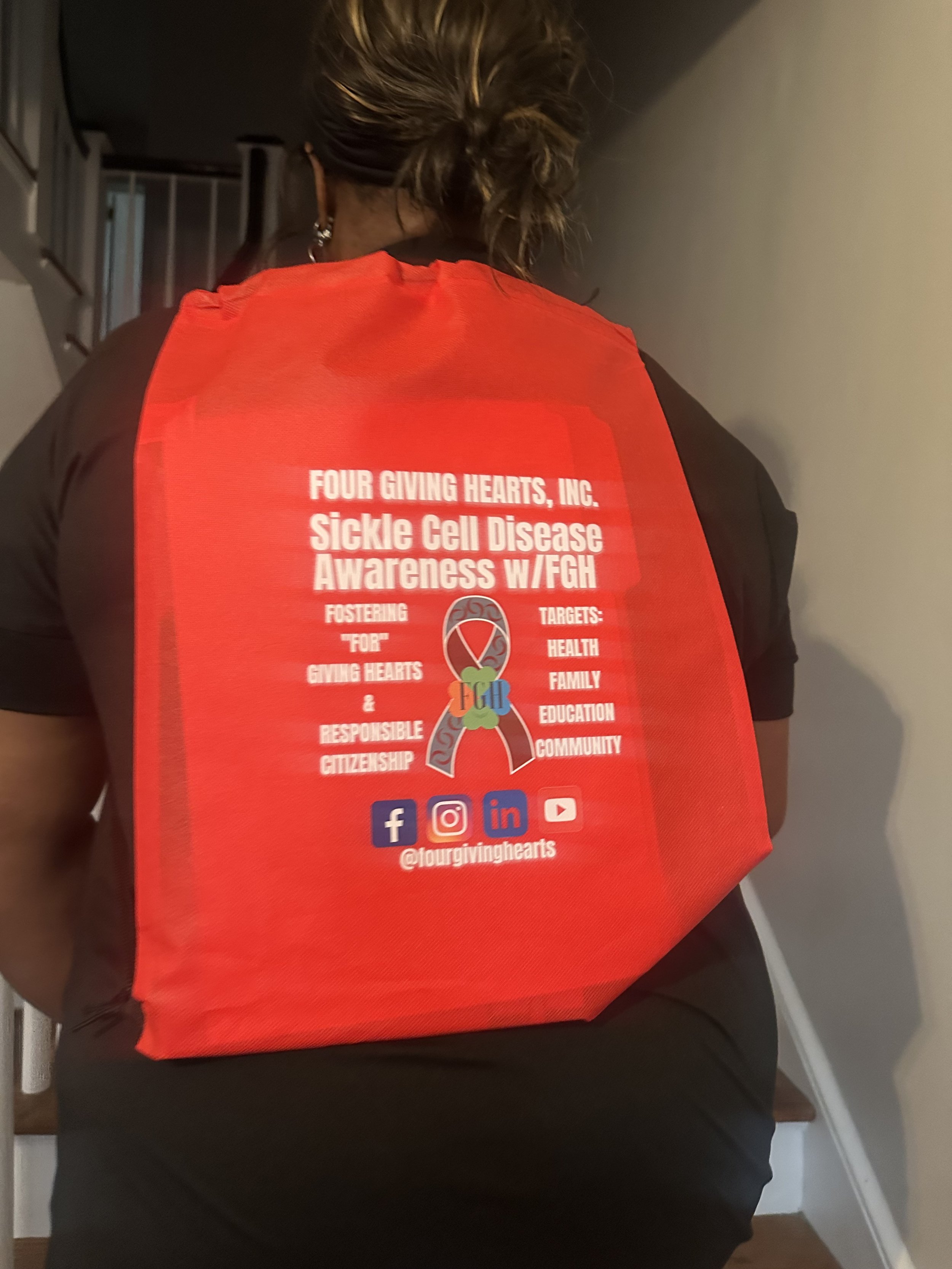
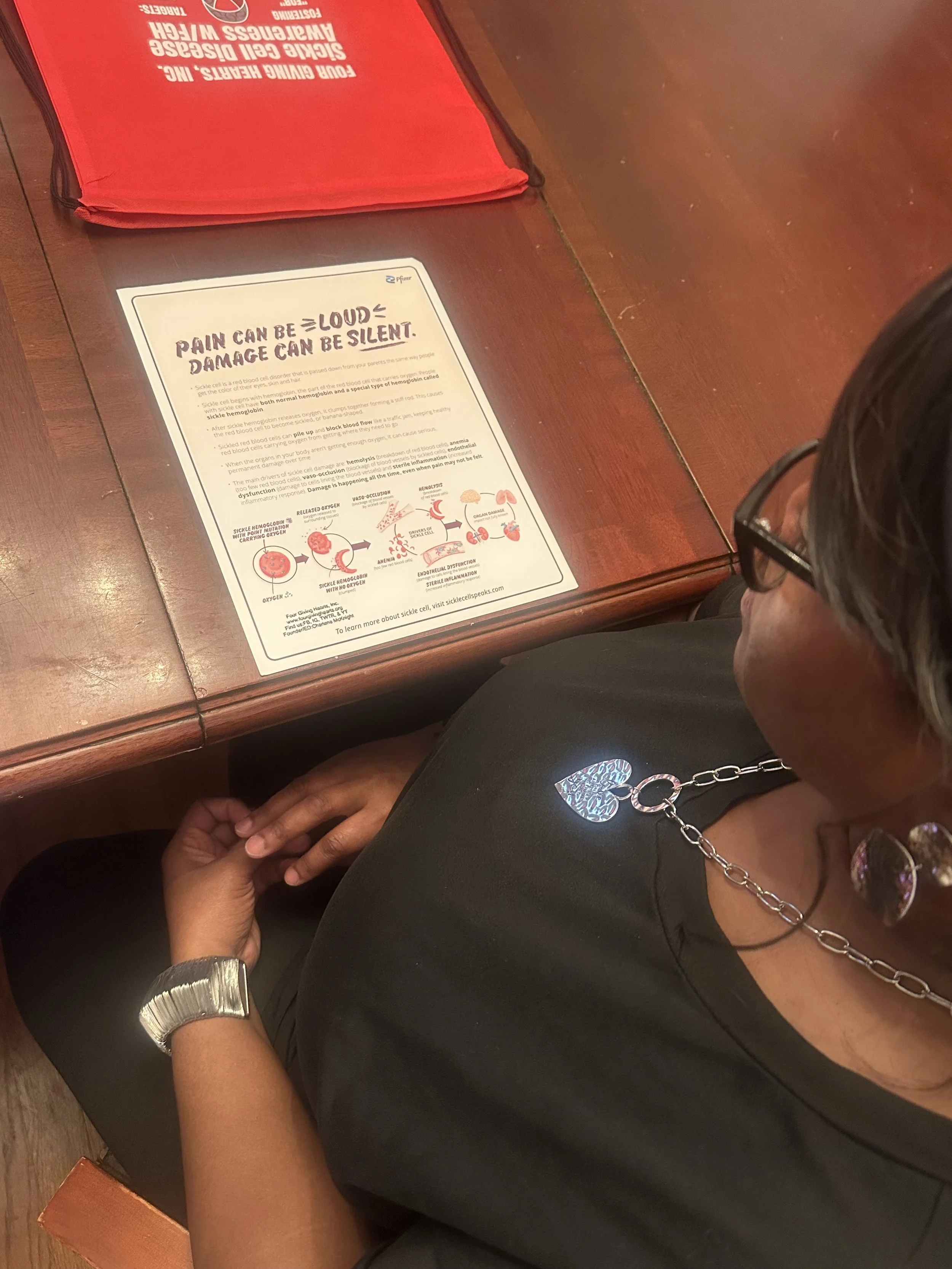
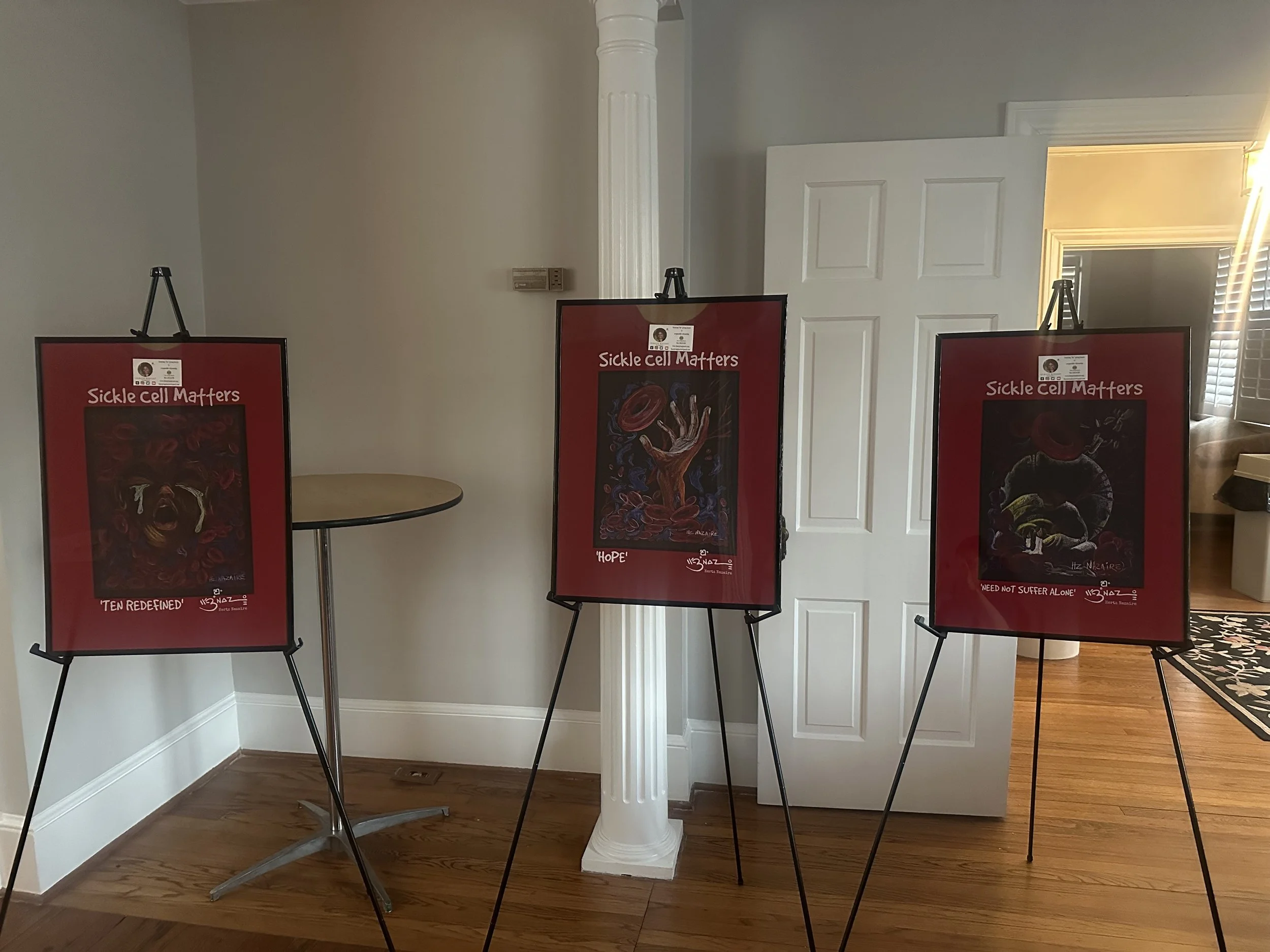
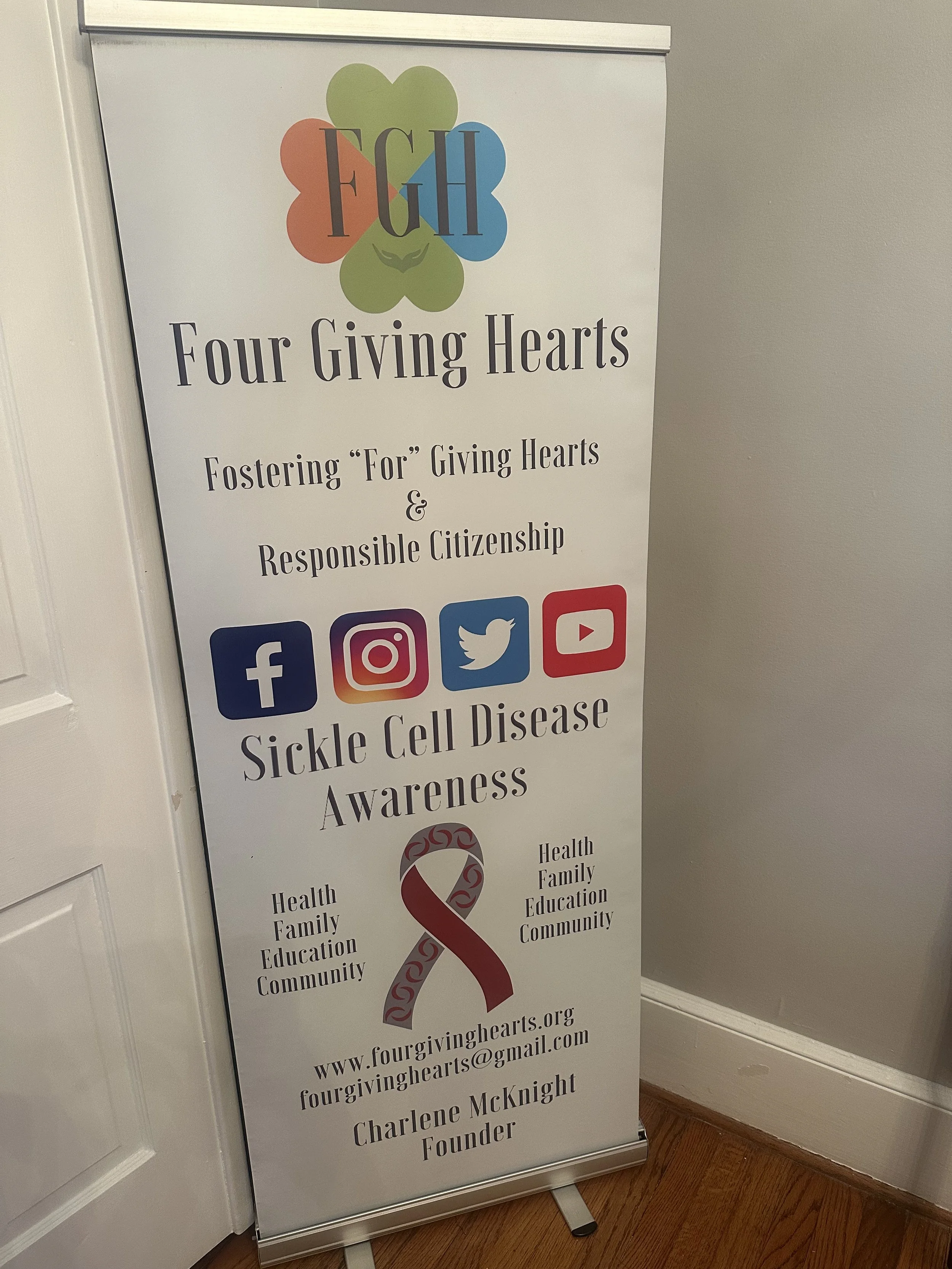
The Four Hearts
Charlene McKnight, the founder of Four Giving Hearts, turned her pain into passion. Explore her story!

Privileged Pilots
〰️
Privileged Pilots 〰️
Want to learn more about Privileged Pilots? Click the link below to hear Kyle and Daniel’s interview!
Two young men, affected by the same condition, turned their battles into a platform to spread awareness and empower others. Kyle Registre and Daniel Cressy are the founders of their sickle cell awareness brand, Privileged Pilots. Both Registre and Cressy are sickle warriors and share a love for flying.
Though they are united by the disease and their passion for flying, their stories are different. Registre was cured of sickle cell anemia in 2019, and Cressy is in the process of getting cured.
Sickle cell anemia is an inherited blood disorder in which a person’s red blood cells become sickle-shaped, resembling the letter C. Sickle cell anemia takes place in a person’s body when their red blood cells lack oxygen. Like sickle cell, the sickle cell trait occurs when a smaller number of a person's cells are sickle-shaped. Regular, healthy blood cells that get the oxygen they need have a more uniform circular shape.
Kyle Registre is a 24-year-old commercial pilot from Atlanta, Georgia. Registre was born with sickle cell because both of his parents have the sickle cell trait. His mother knew she had the trait, but his father did not know he carried the trait until around Registre’s birth.
“You know, you're not supposed to reproduce with anybody that has sickle cell. And my dad, he just didn't know. His parents didn't tell him,” said Registre.
Registre experienced body pain because of sickle cell, but he still had a happy childhood.
“As far as like me knowing I had sickle cell, I guess, you know, you get diagnosed at birth, but you don't really understand that you have sickle cell until like, six years old. The young years, you really don't experience too much pain, and if you do, you don't understand what's going on,” said Registre.
He continued, “Like you can't really comprehend that you have a disease until you mature a little bit.”
Despite not knowing about his condition until he grew older, Registre always knew he wanted to be a pilot. When he learned more about his condition, he realized that fulfilling his dreams would be hard, but not impossible. Being in high altitudes can trigger a pain crisis for those who have sickle cell.
Registre considered getting a bone marrow transplant to cure him of the disease, but no one in his family was a match for him. He did not give up on being cured and decided to participate in Bluebird Bio’s clinical trial, a cell-based gene therapy called Lyfgenia.
According to the Lyfgenia website, the therapy works by collecting the patient’s cells, modifying them by adding copies of the HBB gene, and finally infusing the patient's modified cells back into their body. The modified cells will undergo engraftment, and new red blood cells containing healthy adult hemoglobin will be produced.
In 2019, Kyle Registre was cured of sickle cell. Though he now has the sickle cell trait, he has not dealt with sickle cell symptoms since his treatment.
Since he was finally free from the disease, he received medical clearance to fly planes in 2024. On June 2nd, 2025, Registre became the first pilot to have had sickle cell and still earned his pilot certificate.
Daniel Cressy, a 22-year-old from New Orleans, Louisiana. His mother found out he had sickle cell around the time of his birth and felt sad. A large number of his family members have the sickle trait or sickle cell disease.
At 19, Cressy developed a strong passion for flying and decided to take flight lessons after a discovery flight during his sophomore year of college, studying dentistry.
“I realized that I needed to stand out. People will treat you regular until you show them how different you are,” he said.
A friend convinced him to get his pre-CDL, and when he went back to school, he knew flying was what he wanted to do.
“I had saw a young black man flying a plane by himself, and I was like, wait, this kid is flying a plane by himself. I thought he was the coolest person in the world because of that,” continued Cressy. “And it was also very different. So I'm like, shoot, meets the criteria. It is different. And it's not easy. I want to do something that's difficult and unique.”
He was excelling in his lessons and was on track to gain his pilot certificate when crushing news struck him. He was denied the first-class medical certificate he would need to fly.
Some would give up, but Cressy continued to search for answers and advocate for himself. After searching for answers, he decided it was time for him to get cured.
“I told my doctor I want gene therapy, they told me that I'll be the first one. And, and then he said this, which I don't tell people often, but he said, there's gonna be a lot of news reporters, talking to you and capturing your story,” said Cressy.
In March 2026, Cressy began his gene therapy treatment. He received chemotherapy from March 11th to March 14th to prepare his body for the rest of his treatment.
Cressy received an infusion of his new cells on March 18th, which is the day he considers his second birthday.
“The main recovery part is gonna be sitting in here. You know, listening to music, praying, playing my flight simulator, studying while my body recovers itself from the chemo. And then even then, I'll have another three to four months to recover before returning to work,” said Cressy.
If his treatment continues to go well, Daniel Cressy will be the first person from Louisiana to be cured of sickle cell.
Privileged Pilots started as a way for Registre and Cressy to navigate life while living with sickle cell and pursuing big dreams of flying planes.
“Privilege Pilots, it literally started off as a group chat. We were all pilots with sickle cell who had been denied their medical. Whenever Kyle joined, he was the one that had his medical and he just got it,” explained Cressy.
Cressy and Registre did not want others with similar stories to theirs to go through their journeys alone. They wanted to show that anything is possible.
The clothing brand side of Privileged Pilots was created when Cressy decided to “privileged pilots” on a varsity jacket .
Cressy shared, “Kyle got cleared to be a commercial pilot. And before then, that was viewed as impossible. And so I started to put the word impossible on a shirt, where it would be different colors that say I'm possible. And then, at the back, it would be our logo that says “privilege pilots,” and then “happy and things do exist.”
Cressy and Registre’s stories have been shared on social media and television stations due to the miraculous improvements in their health. The disorder is not an easy disease to cure. Their stories raise awareness of the disease and offer hope to other sickle cell warriors. Many die with sickle cell, while others live with the disease for their entire life.
One of the only treatments for sickle cell disease besides gene-based therapy is bone marrow transplantation. According to St. Jude’s Hospital, around 20% of sickle cell patients are cured due to the challenge of finding a compatible bone marrow donor.
Even after the donor is found and the process officially begins, there are still risks that can prevent or delay progress. Bleeding, infections, infertility, damage to organs, and Graft-Versus-Host Disease are key risks. Graft-versus-host disease occurs when donated cells attack organs in the patient's body, according to The National Marrow Donor Program.
Even with risks, sickle cell treatments are around 90% successful according to the U.S. Food and Drug Administration.
Despite new cures and research, sickle cell has not always been a hopeful topic.
“We've gotten a lot better at being able to treat sickle cell now. It used to be kids died very young with that because we didn't know how to treat it or what to what to do about it,” said Dr. Terry King, Family Medicine Physician.
Sickle cell has a reputation for not being discussed as much as other diseases. Its lack of popularity is the main reason there are fewer treatments and fewer studies on the disease.
Before Western medicine first identified sickle cell in 1910, the sickle cell mutation originated in Africa thousands of years ago to help fight malaria, according to the American Red Cross.
One of the earliest acknowledgments of sickle cell was in 1972, when Congress passed the National Sickle Cell Anemia Control Act, which launched the first federal programs to raise awareness of sickle cell. These programs included sickle cell screening, education, treatment, and research.
Another important part of sickle cell’s history took place in 2006. For the first time, screening newborns for sickle cell was required by all 50 states in the U.S. New York was the first state to mandate testing in 1975, as reported by the National Library of Medicine.
“Now they're diagnosed at birth because babies are checked for sickle cell disease and sickle cell trait as well as some other genetic disorders when they're born. They have their heel stuck,” explained Dr. King.
In 2026, the state of Georgia, which has the fifth-largest population with sickle cell disease, passed the Sickle Cell Disease Protection Act. The bill ensures that Medicaid covers the costs of sickle-cell treatment. According to Georgia Public Broadcasting, the Sickle Cell Foundation of Georgia assembled at Georgia’s Capitol to advocate for the bill.
Organizations like Privileged Pilots help give attention and accurate information on sickle cell. There are misconceptions about sickle cell that affect how people view the disease.
One of the most common misconceptions about sickle cell is that it only affects people of African descent. Though it predominantly affects African Americans, anyone can have the sickle cell trait or disease.
Another misconception is that people with sickle cell are not normal. People with sickle cell may need more care than those without, but they are still human and deserve respect.
“Sickle cell doesn't only affect African-American families, and it can be treated and can be understood, and people can live normal lives with it,” said Dr. King.
“It is really important that they’re treated like any other human and any other child growing up. You have to be mindful of keeping them hydrated and things like that, but they can still have a productive and enjoyable life, both for them and their family,” he continued.
The future of Privileged Pilots is not dimming in the near future. The duo is determined to keep sharing their stories.
“We're focused on more tangible pieces that can strike somebody's heart in the best way. That can move somebody emotionally,” said Cressy.
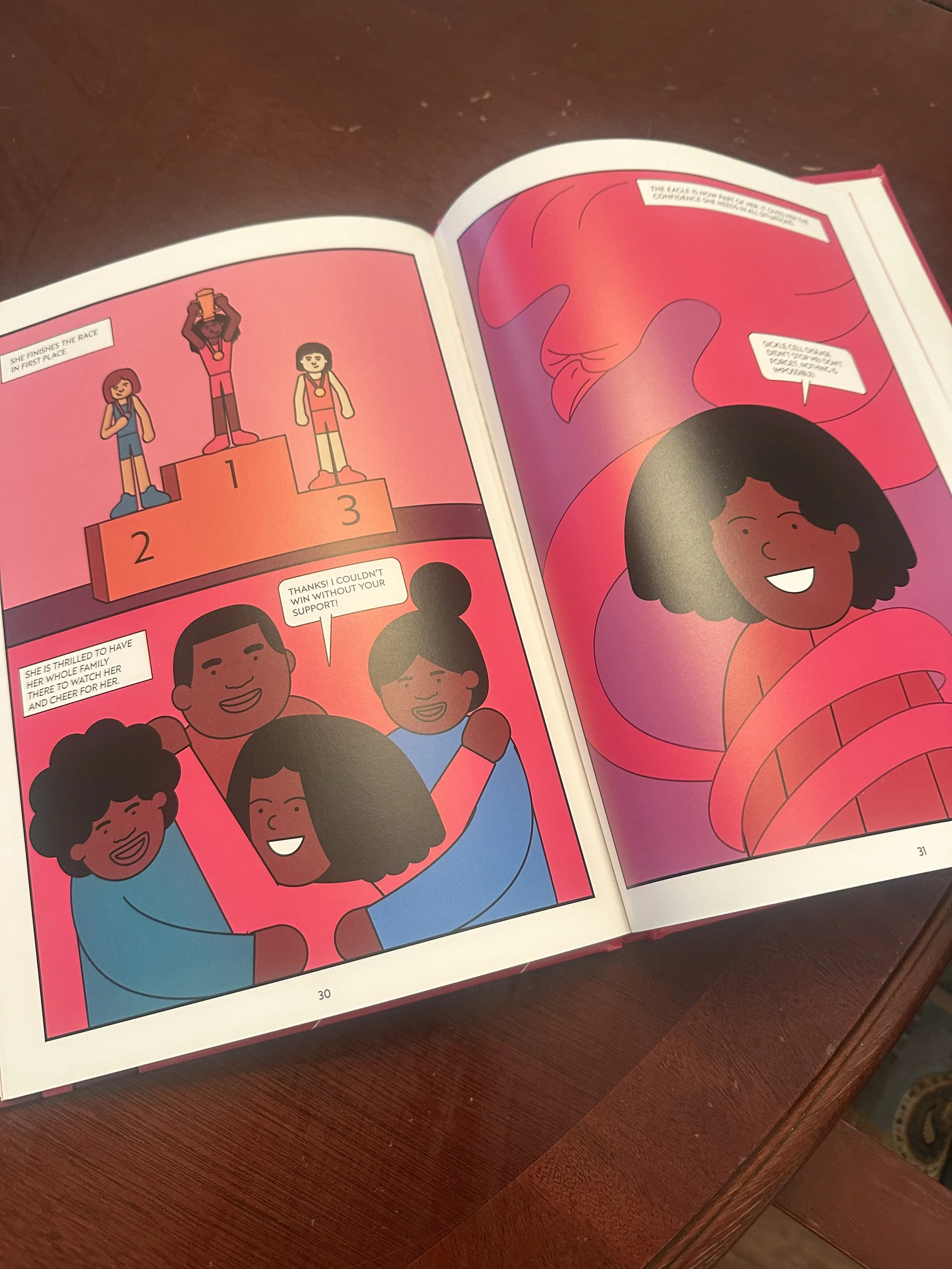
One of his ideas includes a children’s book to inspire kids with sickle cell to stay motivated.
“If you’re a child born with this condition, there is a happy ending that exists at the end, you know, and it requires faith, God, persistence, and perseverance.”
Registre shared, “There's so many other things that we have ideas on, just as far as getting other sickle cell patients up in the sky to fly. If they've flown, it's very rarely. And then when they do fly, they feel this kind of sense of peace where they've just left their disease on the ground.”
They also plan to work with major airlines such as Delta, American, and United to fund travel accommodations for patients.
People can donate to Privileged Pilots by visiting their website, privilegedpilots.shop. Donations help them attend conferences to continue to spread their mission of hope.
Kyle Registre and Daniel Cressy’s sickle cell journeys are an example of how resilience and positivity can improve someone's life despite what they are dealing with. Through Privileged Pilots, they inspire people with and without sickle cell to never give up on their dreams, no matter how impossible they may seem. Privileged Pilots show that the impossible is always possible.